
Introduction
Sleep is an important part of health and physical appearance throughout human’s life. Sometimes, peoples skip,reduce,avoid sleeping hours because of work, school, office work, social activities and playing or entertainment.
Sleep is not a simple method when the body stops working. It restores brain function,energetic, boast up your mind features.Most adults need 7 to 9 hours of quality sleep each night to function at their best.
Regular, adequate sleep can help with concentration, learning, memory, mood, decision-making and daily working. Understand the impact of sleep on the heart and circulatory system, metabolism, respiratory system and immune system and how much sleep is sufficient.
What is Sleep and Why does It Matters?

Sleep is a natural process of the body and brain, which allows them to recover and get ready for the next day. A good sleep also improve your lazyness behavior and make it fresh. There are various stages, and each performs a different function. Some refresh the body, others aid in memory and learning.
Sleep also contributes to a person’s normal functioning of various body systems and physical health. Sleep is very important for Childrens, Adults. Most teenagers (ages 13-17) require 8 to 10 hours of sleep per night and most adults (ages 18-60) require 7 hours or more of sleep per night.
Why is Sleep Important for Health?

There are three main pillars for good health like nutrition, good sleep and physical exercise daily in morning. If you fail to sleep well, you won’t eat well. Those who do not sleep well tend to have cravings for food, and they may have a craving for a carbohydrate (carbs) rich food such as a cookie.
When you are already exhausted, then the last thing you would want is to go to the gym.People fully functioning listen to all three. They need to be all doing their bit for the best health.
Here are some other health benefits of sleep:
- promotes growth
- helps heart health
- supports weight management
- helps combat germs and keep your immune system strong
- reduces risk of injury
- increases attention span
- boosts memory and learning
How Sleep Affects Brain Function

Sleep plays a vital role in brain function. Because it stimulates the brain work like attention, concentration, problem solving and decision making. If people has not take a good sleep then the brain is full disturb.
And not accurate responding, your not active in every situation, decision was wrong, not solve the problems.That’s why sleep is important for brain function. It can also be difficult for students to follow along in a lesson or memorize information. It can lead to a decrease in focus and speed for worker.
How Sleep Affects Hormones
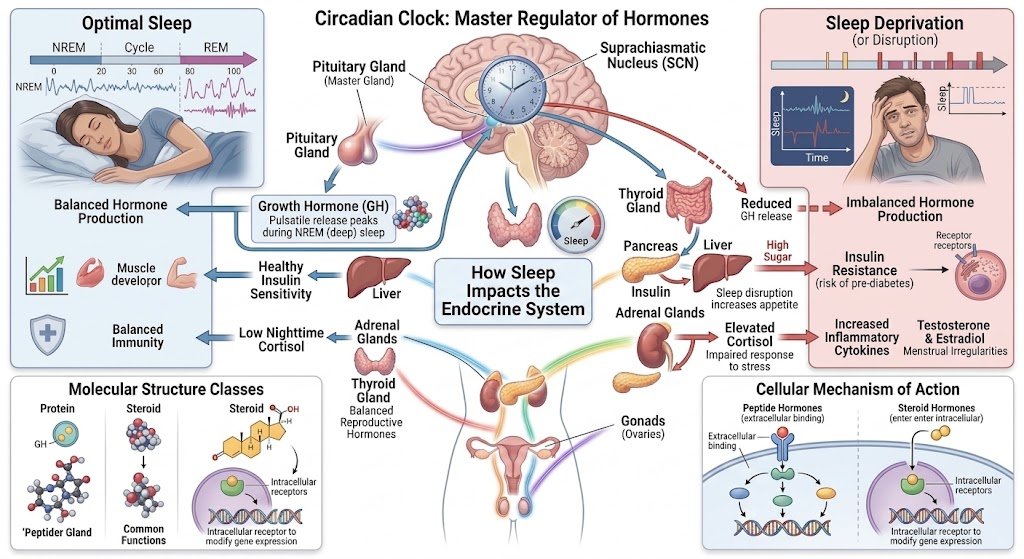
Sleep is also play a role in hormones. If you don’t get enough sleep, your hormones will get disrupted. Your body makes different hormones at different times of day. This can be due to your sleep cycle or your body’s internal clock.
Your body secretes a hormone in the morning which helps you get in touch with the world, known as cortisol, for instance. Other hormones also have 24 hour patterns that change over the course of your life.
Such as hormones that stimulate the glands to make testosterone, estrogen and progesterone, which are produced in pulses at night in children, with the pulses getting bigger as puberty approaches.
Real life Examples
Case Study 1: Sleep and Schoolwork
According to a recent CDC survey conducted among 7,705 students, the majority of high-school students do not get enough sleep, which negatively affects their studies. In particular, students who reported getting less than 7 hours of sleep per school night were consistently found to be more likely to experience challenges doing schoolwork (CDC, 2021).
Case Study 2: Sleep and Cognitive Performance
A study conducted among healthy adults demonstrated that getting at least 7 hours of sleep per night improved working memory and response inhibition as compared to the group that did not sleep enough. The authors concluded that sufficient sleep is required for the optimal functioning of essential cognitive processes that underlie people’s daily activities.
Frequently Asked Questions
Sleep improves general mental performance, mood, memory, attention, and ability to concentrate. Enough sleep will help one to remain attentive and finish daily chores properly.
Not enough sleep can affect students’ ability to focus, remember information, control their emotions, and properly finish their coursework. Furthermore connecting brief sleep with more difficulties with schoolwork research has found
The advised amount varies with age. Most grownups want at least 7 hours of sleep every 24 hours, whereas most teenagers need 8–10 hours.
Yes. Good sleep helps to strengthen attention and other cognitive skills. Studies have shown that persons who get enough sleep have better response inhibition and working memory among other domains.
Students may keep a consistent sleep schedule, design a welcoming sleeping environment, and cut down on stimulating pre-bedtime activity. Regular sleep schedules can help to improve everyday attention and academic performance.
Conclusion
Sleep is a key factor for good daily functioning. Quality sleep allows the brain to remain focused, enhances memory or recall, promotes better mood and gives the energy and vitality necessary for activities of daily living. Having poor sleep may be a hurdle to focus on, to learn new stuff, to do things really well.
So, ensuring that students, workers, and anyone who wishes to remain productive and healthy can take adequate time to sleep is crucial. Regular sleep pattern (sleep rhythm) and adequate sleep will support the mind and body throughout the day.