Introduction
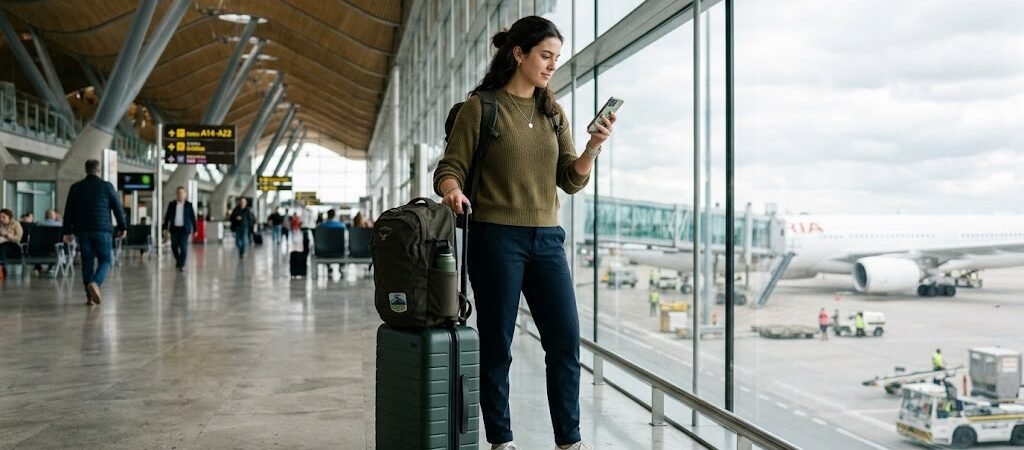
Travel is one of most exciting and rewarding thing. Spending time by yourself can be an interesting and an enjoyable experience. A solo journey allows you to decide where you want to go, when you want to go there and what you want to do in that place, at your own speed. But traveling solo calls for careful planning, particularly if it is your initial journey.
Spending time preparing might make your journey smoother and make things easier if unexpected situations arise. Deciding the right destination to keeping important documents safe, they all have a part to play. Choose best season for enjoyment because season and weather is essential for travelling and entertainment.
Choose a Beginner-Friendly Destination
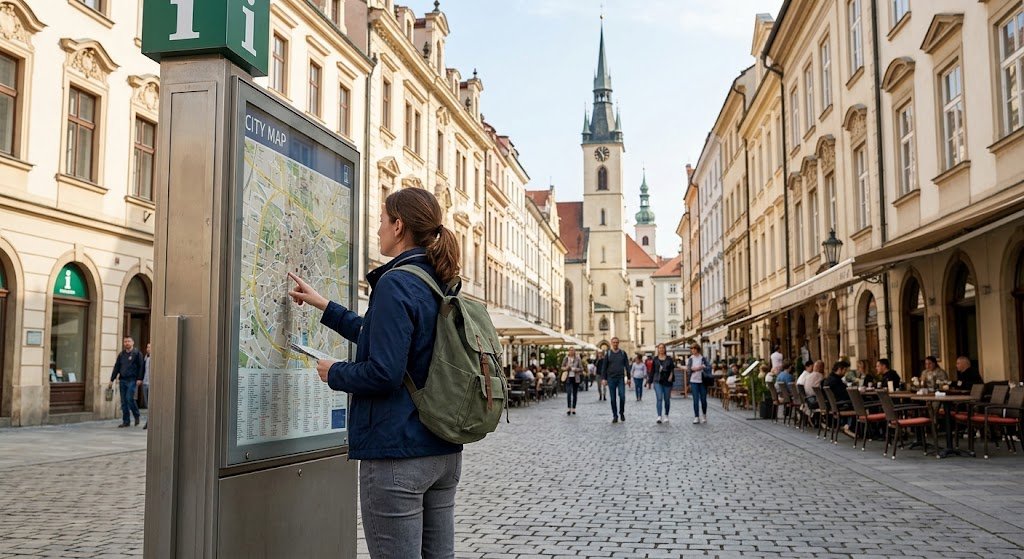
The first step is planning your first solo trip safely is choosing a destination this is very important. Not all and every destinations is ideal for a first solo adventure. And not only select a simple place because it looks pretty and attractive. When choosing where to go firstly prioritize safety, and travelling easily.
Do your research on the destination before you determine where to go. Find out how to get around, what things are done in the local community, the climate, travel hot spots and safety issues. You can find a place with dependable transportation, tourist information, and lodging that are easier to take care of during your first trip non accompanied.
Research Your Destination Before Leaving
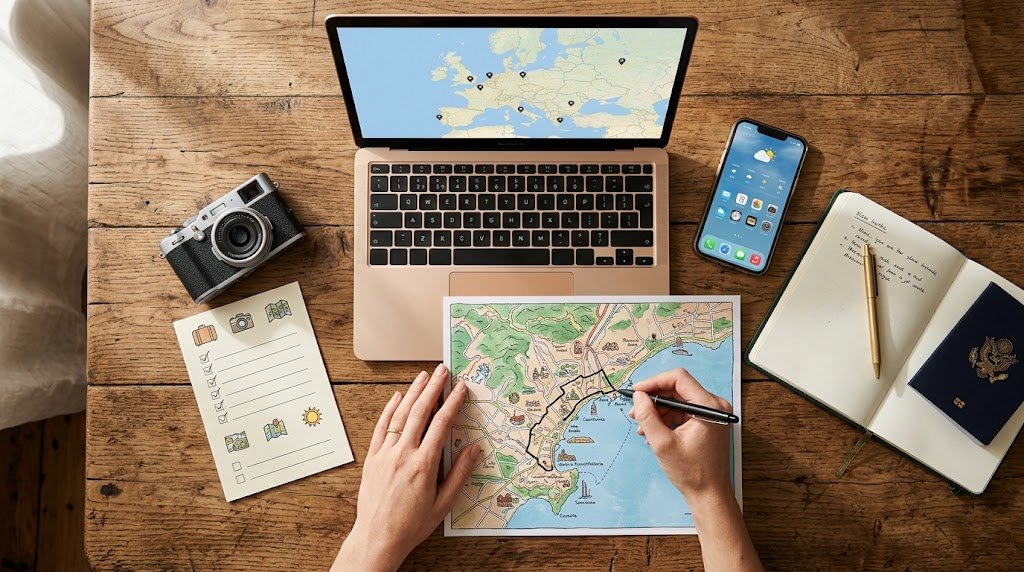
Research is very important before travelling. Learn and knows the destinations you wish to visit, and how you will get to the destinations and back again. And research is also important in every field, every work. Your research is helpful in travelling you make sure what you wants to explore and seeing beautiful views.
Before leaving, research:
- Local transportation
- Popular tourist areas
- Weather conditions
- Local customs
- Emergency services
- Accommodation locations
- Places travelers are advised to avoid
Book Safe and Reliable Accommodation

Accomodation is also a important part of travel plans. Before booking a hotel, hostel, or other accommodation, read recent reviews carefully. Focus on these things like location, cleanliness, staff, environment, security, transportation access, check a good arrangements. Store phone contacts who to call and accommodation address on the phone.
One of the most critical aspects of planning a solo trip is finding places that will take you in look for a hotel. Hostel or guesthouse that has positive reviews over the past several years. Listen for suggestions regarding cleanliness, location, staff, security, and transportation options.
If it’s your first solo trip, it will be easier to travel in a convenient and well reviewed area. Save the address and contact details for the accommodation before you depart. If you can find out make sure you know how to get there from the airport, bus station or train station before you arrive.
Share Your Travel Plans
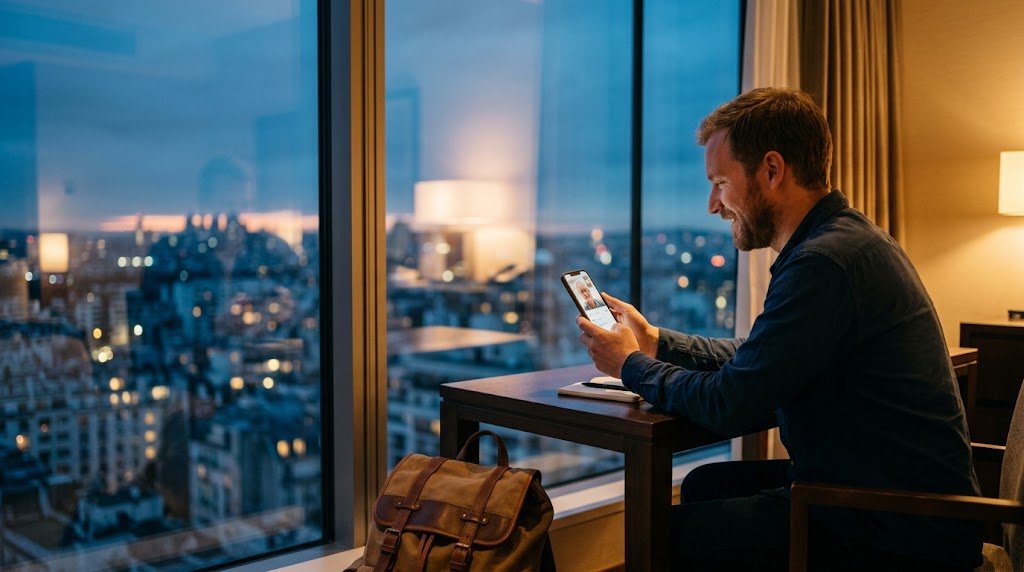
You should have a trusted individual who knows of your travels. Let a family member or someone they can trust know where you will be staying, where you are going to go, how you plan to get there and when you will be back. Regular check ins can be set up, as well. You can send a short message when you’re at your destination or accommodation, for instance.
Keep Important Documents Safe
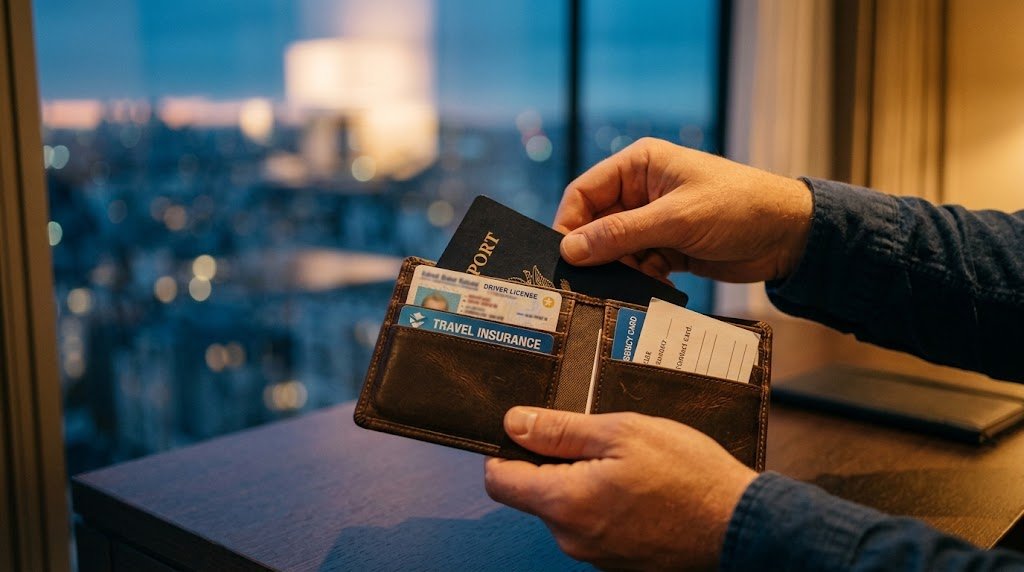
To ensure that critical documents including a passport or identification, travel insurance coverage and booking information etc, are kept in soft copies or copies. On a trip keep original records with security. Don’t store all of your important documents and money in one place. Having secure copies makes it easier to replace items if they are lost.
Case Study 1: Solo Traveler Safety Through Preparation
To minimize the risk a first time solo traveller should seek advice, find a safe place to stay and have important contacts. Travel safety organizations also suggest discussing further with somebody at home, and preparing for crises prior to travel. Here’s an idea of how to make travelling alone easier to organize and to be a safe experience.
Case Study 2: Staying Safe While Traveling Alone
Solo travelers can benefit from practical safety habits such as staying aware of their surroundings, protecting important documents, and avoiding unnecessary risks. The UK government’s travel guidance also emphasizes checking destination-specific information and understanding local laws and safety conditions before traveling abroad.
Frequently Asked Questions
1. Is solo travel safe for beginners?
Solo travel is fun for those who have no experience if they select an appropriate country and plan well. Learning about the area to which they’re traveling and making plans with emergency contact numbers can make things easier.
2. What should I carry on a solo trip?
Bring personal papers, the money, a cell phone and charger/power bank, needed drugs, travel paperwork, and the basic personal items. Ensure precious documents are protected.
3. How can I stay connected while traveling alone?
Make sure you’ve got your mobile phone charged and make sure to set up reliable internet. Maps and other travel details may also be downloaded offline, before leaving.
4. Should I tell someone about my travel plans?
Yes. Notify a trusted individual of your itinerary, including where you’ll be staying beside the date of your return.
5. What should I do if I feel unsafe?
Go to an open/fenced area and call a trusted persons. In an instant emergency call the appropriate local emergency services.
Conclusion
Traveling overseas solo is a trip that one must prepare, be aware of and make good decisions as it is a safe and secure trip. Decide on a place, develop a realistic budget, start booking trusted places to stay, secure valuables and share the important details with trusted people.
Most of all, one should be aware of his/her surroundings and not be unduly exposed to risks. With proper preparation, you can be free to travel askance and make intelligent moves to keep you safe.